
Elk calling for beginners does not have to be complicated. With a couple of good calls and some practice, you can learn the basic sounds that bring bulls into bow range. This guide covers the main types of elk calls and how to start using them.
The two sounds every beginner should learn
- Cow calls: soft mews and chirps that sound like a relaxed cow elk. They are the most useful calls for beginners because they calm elk and draw them closer.
- Bugles: the loud, high-pitched call of a bull. Bugling can challenge a bull during the rut, but it can also push younger bulls away, so use it carefully.
Diaphragm calls
A diaphragm call sits on the roof of your mouth and makes sound as you push air across the reed. The big advantage is that your hands stay free, so you can call with your bow ready. Calls like The Shugga are great for sweet cow calls, while The Grinder and the Ripit Dirty Deuce 700 make raspier bull sounds.
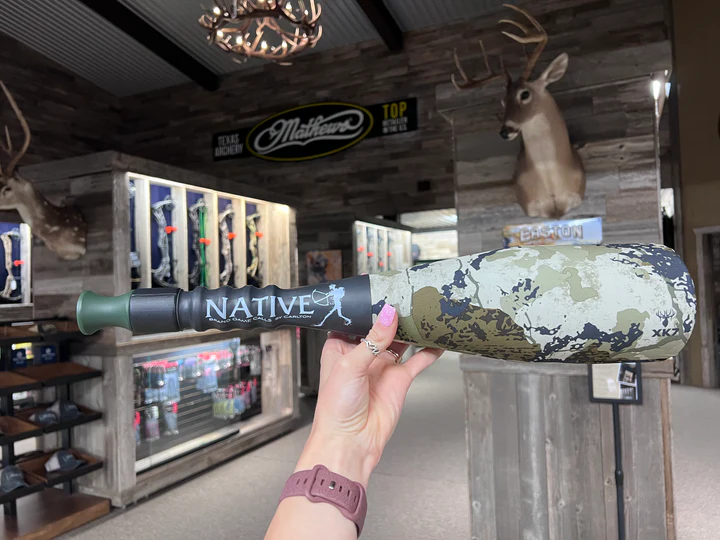
Bugle tubes and grunt tubes
A bugle tube adds volume and a realistic tone to your bugles. Pair it with a diaphragm call to sound like a real bull. A grunt tube adds the deep grunts bulls make after bugling.
Practice tips
- Start with one or two diaphragm calls. Different reed cuts suit different mouths.
- Practice a little every day in the weeks before your hunt.
- Listen to recordings of real elk and copy the rhythm, not just the sound.
- Call less than you think. Too much calling can make elk suspicious.
Calling setup in the field
Many hunters work as a team: the caller stays 30 to 50 yards behind the shooter, so a bull coming to the call walks past the shooter first. Always check the wind before you call, because elk will circle downwind.
Browse all elk calls at Archery Tec LLC, and read mechanical vs fixed blade broadheads to choose the right head for elk. Visit our pro shop at 969 River Rd, Holtwood, PA, or browse online at Archery Tec LLC.